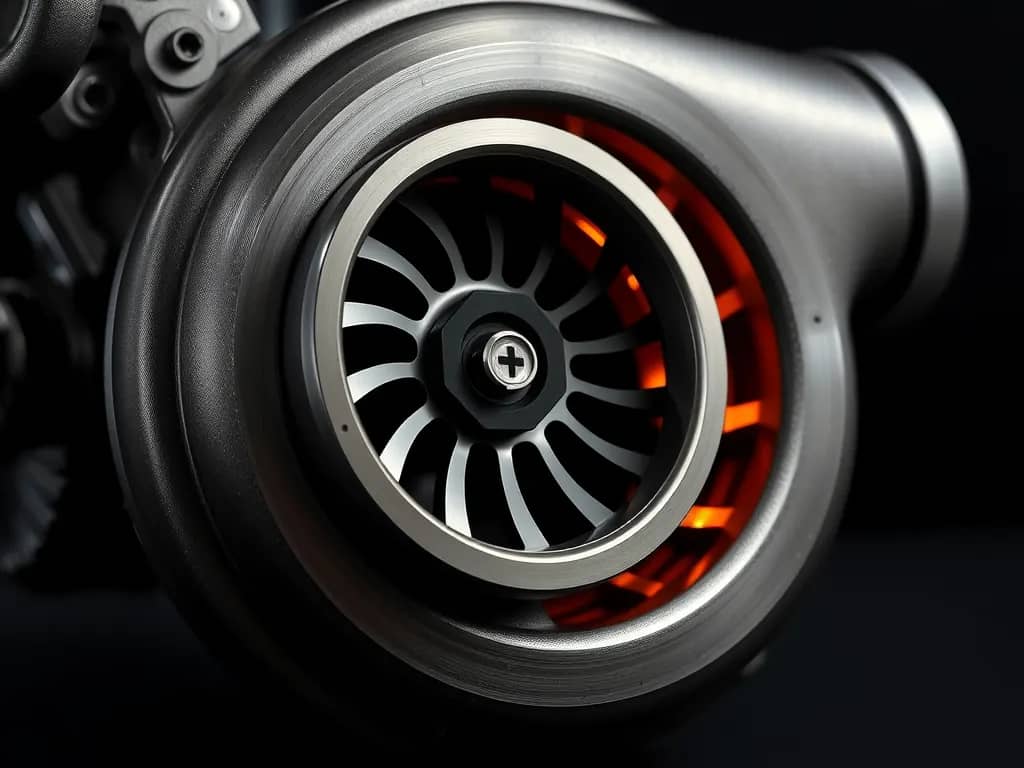
DTC code
P0299
Turbocharger/Supercharger Underboost Condition
No mechanic has confirmed a fix for this code yet.
Read the cases — confirm what worked for youTechnical guide
Symptoms
- Check Engine Light activation
- vehicle entering limp mode for engine protection
- diminished acceleration and power output
- audible mechanical noises from turbo/supercharger components
Probable causes
- Faulty turbocharger or supercharger units
- intake air leaks or obstructions
- pressurized air line ruptures
- malfunctioning boost pressure sensors
- defective wastegate or boost regulator
- EGR system failures
- insufficient engine oil pressure
Diagnostic steps
- Connect OBD scan tool and review all fault codes.
- Examine freeze-frame data from when code triggered.
- Reset codes and test drive to confirm recurrence.
- Inspect boost lines while engine revs for leak sounds.
- Visually assess turbo/supercharger and related systems.
- Test boost pressure readings with scanner.
- Check wastegate mobility and function.
- Verify air intake integrity.
- Measure engine oil pressure.
Brand-specific notes (Ford)
Ford · Focus/Fiesta/Mondeo/Transit · 1.0 EcoBoost / 1.6 TDCi / 2.0 TDCi
Symptoms
- Loss of power
- limp mode (engine limited to 3000 rpm)
- check engine light
- sluggish acceleration
Probable causes
- On 1.0 EcoBoost: failed one-way check valve in vacuum pump (most common)
- on 1.6/2.0 TDCi: cracked boost hose
- stuck wastegate
- faulty N75 boost solenoid
- turbo VNT actuator failure
Diagnostic steps
- 1.0 EcoBoost: replace one-way check valve in vacuum pump (~£15 part).
- Check all intercooler and boost hoses for cracks/splits.
- Test turbo wastegate actuator rod - check for play.
- Test boost solenoid valve.
- On TDCi: check EGR valve for sticking - disconnect temporarily to test.
Cross-checked technical synthesis (QA). It does not replace the manufacturer's procedure.
MECCANIC — code interpretation
not a diagnosisCode P0299 indicates a turbocharger or supercharger underboost condition, signaling that the system pressure is below expected thresholds during operation. This fault generally points to issues within the forced induction assembly, including variable geometry actuators, wastegate mechanisms, or boost control solenoids. Mechanics should also evaluate the integrity of intercooler piping and charge air lines for leaks, as well as inspect the turbocharger shaft play and bearing condition. While specific vehicle data may reveal actuator calibration noise or DPF regeneration interactions affecting boost pressure, these are contextual factors rather than definitive causes. Always prioritize consulting official service documentation to determine precise operational limits before concluding a diagnosis based solely on this generic code definition.
sources (4)
- [sae] SAE J2012 — Turbocharger/Supercharger Underboost Condition
- [case] VW Golf 7 (solved)
- [case] Skoda Superb III (open)
- [case] VW Golf 7 (open)
Models most reported with this code (NHTSA)
Count of distinct owner complaints mentioning the code. US data — same engines, same failures.
AI here is a librarian: this page shows only what mechanics confirmed, or says “unknown”. It never suggests a diagnosis — MECCANIC interprets the code, never your car.